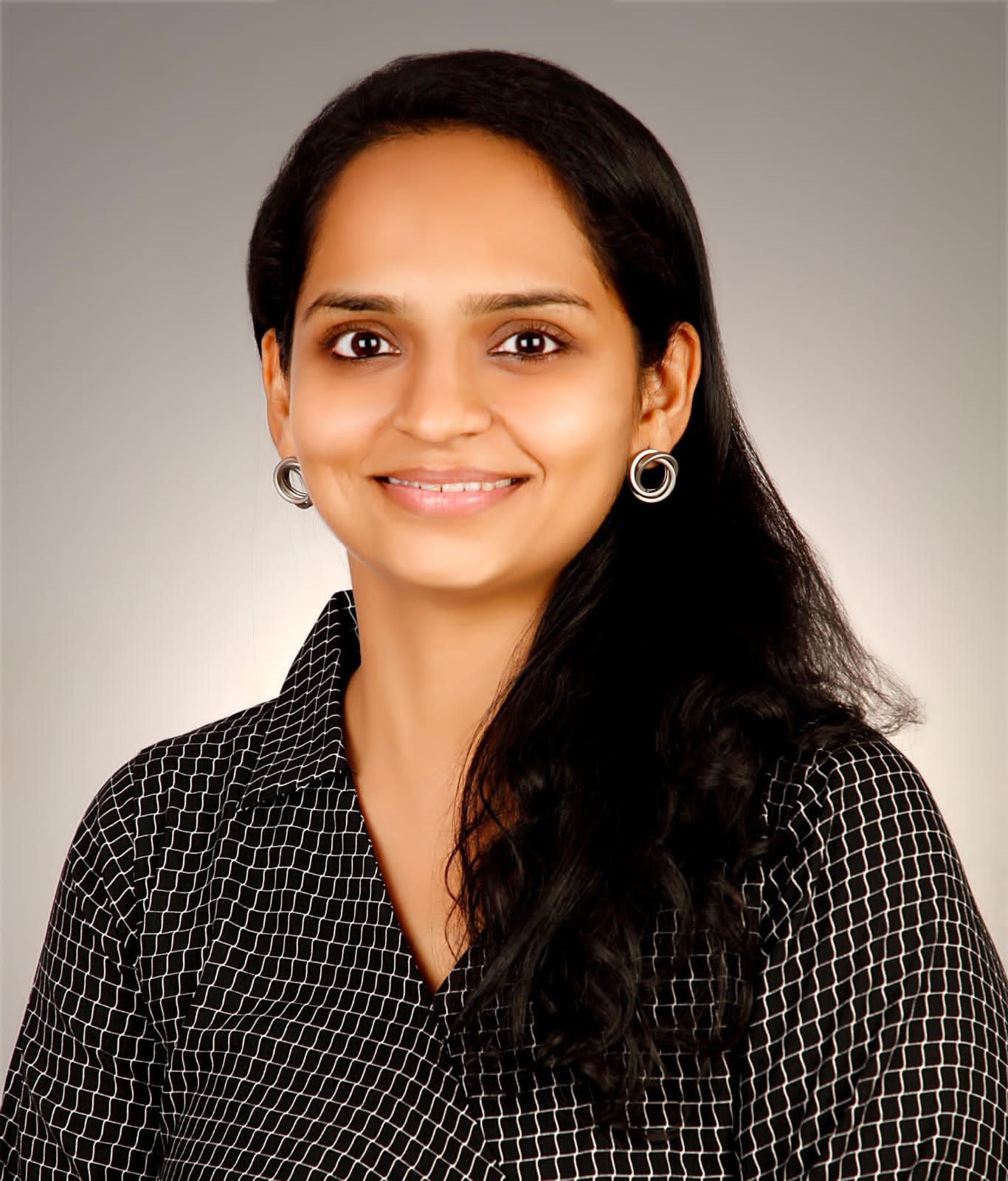
Best Dermatologist in Mumbai
Dermatology, the branch of medicine dealing with the skin, hair, and nails, plays a crucial role in maintaining overall health. Dermatologists are specialized doctors who diagnose and treat more than 3,000 different diseases, including skin cancer, eczema, psoriasis, and acne. Beyond these conditions, dermatologists also provide cosmetic services to enhance the appearance of the skin, hair, and nails. This guide aims to provide an in-depth understanding of various dermatologist treatments, their purposes, and what patients can expect. Dr Pankti Gundavda is Best Dermatologist in Mumbai.
Common Dermatological Conditions and Treatments
Acne Treatment
Acne is one of the most common skin conditions, affecting millions worldwide. It occurs when hair follicles become clogged with oil and dead skin cells, leading to whiteheads, blackheads, pimples, and cysts. Dr Pankti Gundavda is Best Dermatologist in Mumbai
Treatment Options
- Topical Treatments: Includes retinoids, antibiotics, and salicylic acid which help reduce inflammation and clear clogged pores.
- Oral Medications: Antibiotics, hormonal treatments (like birth control pills), and isotretinoin (Accutane) for severe cases.
- Procedures: Chemical peels, laser therapy, and light therapy to reduce bacteria and inflammation.
2. Eczema
Eczema, or atopic dermatitis, is a chronic condition causing red, itchy, and inflamed skin. It can significantly impact the quality of life due to its persistent itchiness and discomfort.
Treatment Options
- Moisturizers: Essential for maintaining skin hydration and barrier function.
- Topical Steroids: Reduce inflammation and itching.
- Calcineurin Inhibitors: Non-steroidal medications that help control inflammation.
- Phototherapy: Ultraviolet light treatment that helps reduce symptoms.
3. Psoriasis
Psoriasis is an autoimmune condition characterized by rapid skin cell turnover, leading to thick, red, scaly patches. It can range from mild to severe and often requires lifelong management.
Treatment Options
- Topical Treatments: Steroids, vitamin D analogues, and coal tar.
- Phototherapy: UVB light therapy can slow the growth of skin cells.
4. Skin Cancer
Skin cancer, including basal cell carcinoma, squamous cell carcinoma, and melanoma, is the most common type of cancer. Early detection and treatment are crucial.
Treatment Options
- Surgical Procedures: Excision, Mohs surgery (a precise surgical technique to remove skin cancer).
- Non-Surgical Options: Cryotherapy (freezing off cancer cells), topical medications, and radiation therapy for certain cases.
5. Rosacea
Rosacea is a chronic condition causing redness, visible blood vessels, and sometimes pimples. It often affects the face and can be mistaken for acne or other skin conditions. Dr Pankti Gundavda is
Best Dermatologist in Mumbai
Treatment Options
- Topical Treatments: Antibiotics, azelaic acid, and brimonidine which reduces redness.
- Oral Medications: Antibiotics and isotretinoin for severe cases.
- Laser Therapy: Targets visible blood vessels and reduces redness.
Cosmetic Dermatology Treatments
1. Botox and Fillers
- Botox: Botox (botulinum toxin) injections are used to reduce the appearance of wrinkles by temporarily paralyzing muscles.
- Dermal Fillers: Fillers, such as hyaluronic acid, are injected to add volume, smooth wrinkles, and enhance facial contours.
2. Laser Treatments
- Laser Hair Removal: Targets hair follicles to reduce hair growth.
- Laser Skin Resurfacing: Improves skin texture and tone by removing layers of skin.
3. Chemical Peels
Chemical peels involve applying a chemical solution to the skin to remove the top layers, improving skin appearance and texture. They vary in strength:
- Superficial Peels: Use mild acids for gentle exfoliation.
- Medium Peels: Use stronger acids to penetrate the middle layers of skin.
- Deep Peels: Use potent acids for more dramatic results.
4. Microneedling
Microneedling involves using fine needles to create tiny punctures in the skin, promoting collagen production and improving the skin's texture and firmness.
Advanced Dermatological Treatments
- Photodynamic Therapy (PDT): PDT combines light therapy with photosensitizing agents to treat precancerous cells and certain types of skin cancer. It can also be used for severe acne and other skin conditions.
- Mohs Surgery: Mohs micrographic surgery is a precise surgical technique used to treat skin cancer. It involves removing thin layers of cancer-containing skin and examining each layer under a microscope until only cancer-free tissue remains.
- Immunotherapy: Immunotherapy harnesses the body’s immune system to fight cancer. It is used for advanced melanoma and other skin cancers that are difficult to treat with conventional methods.
- Biologic Treatments: Biologics are advanced drugs that target specific parts of the immune system. They are used for severe psoriasis, eczema, and other inflammatory skin diseases. Examples include:
- Tumor Necrosis Factor (TNF) Inhibitors: For treating psoriasis and other autoimmune conditions.
- Interleukin Inhibitors: Target specific interleukins involved in the inflammatory process.
Pediatric Dermatology
Children can suffer from a variety of skin conditions, some of which are different from those typically seen in adults. Pediatric dermatologists specialize in treating these conditions. Dr Pankti Gundavda is
Best Dermatologist in Mumbai
1. Common Pediatric Skin Conditions
- Diaper Rash: Inflammation caused by prolonged exposure to moisture.
- Atopic Dermatitis (Eczema): Chronic, itchy skin condition.
- Birthmarks: Including hemangiomas and port-wine stains.
- Warts: Caused by the human papillomavirus (HPV).
2. Treatment Approaches
- Gentle Skincare: Using mild, fragrance-free products.
- Topical Medications: Steroids and non-steroidal treatments.
- Laser Therapy: For vascular birthmarks and other conditions.
Integrative Dermatology
Integrative dermatology combines conventional treatments with complementary and alternative medicine to provide holistic care. This approach may include:
- Nutritional Counseling
Diet can significantly impact skin health. Dermatologists may offer guidance on foods that promote healthy skin and those that may trigger conditions like acne and eczema.
- Stress Management
Stress can exacerbate many skin conditions. Techniques such as mindfulness, meditation, and yoga can be beneficial.
- Herbal Remedies
Some patients may benefit from herbal treatments. Commonly used herbs include aloe vera for its soothing properties and tea tree oil for its antimicrobial effects.
Preventative Dermatology
Preventative care is a cornerstone of dermatology, aiming to reduce the risk of skin conditions and maintain overall skin health.
1. Skin Cancer Prevention
- Sun Protection: Using broad-spectrum sunscreen, wearing protective clothing, and avoiding peak sun hours.
- Regular Skin Exams: Self-examinations and professional skin checks to detect early signs of skin cancer.
2. General Skin Care
- Daily Skincare Routine: Cleansing, moisturizing, and protecting the skin.
- Healthy Lifestyle Choices: Balanced diet, regular exercise, adequate sleep, and avoiding smoking and excessive alcohol consumption.
3. Vaccinations
- HPV Vaccine: Helps prevent warts and reduces the risk of certain types of skin cancer.
- Shingles Vaccine: Recommended for older adults to prevent shingles, which can cause painful skin rashes.
Conclusion
Dermatology is a diverse field encompassing the diagnosis and treatment of a wide range of skin, hair, and nail conditions. From managing chronic conditions like acne and eczema to treating skin cancer and providing cosmetic enhancements, dermatologists offer comprehensive care tailored to each patient’s needs. Advances in medical and cosmetic dermatology continue to improve treatment outcomes, ensuring patients achieve healthier, clearer skin. Dr Pankti Gundavda is Best Dermatologist in Mumbai.
Patients seeking dermatological care should consult with a board-certified dermatologist to discuss their concerns and develop a personalized treatment plan. Whether addressing a medical condition or enhancing one’s appearance, the expertise of a dermatologist can significantly impact skin health and overall well-being.
Frequently Asked Questions
Who is the best dermatologist in Mumbai?
Dr. Pankti Gundavda is an experienced dermatologist offering comprehensive care for skin, hair, and nail conditions. She specializes in clinical dermatology, dermatosurgery, aesthetic medicine, trichology, and pediatric dermatology, providing personalized treatment plans based on each patient's needs.
What skin conditions does Dr. Pankti Gundavda treat?
She diagnoses and treats acne, eczema, psoriasis, fungal infections, pigmentation, hair loss, scalp disorders, nail diseases, skin allergies, pediatric skin conditions, and various other dermatological concerns.
When should I consult a dermatologist?
You should consult a dermatologist if you experience persistent acne, skin rashes, hair fall, pigmentation, itching, moles, nail disorders, or any skin condition that does not improve with home care.
Does Dr. Pankti Gundavda provide acne treatment?
Yes. She offers personalized acne treatments, including topical medications, oral medicines, chemical peels, laser treatments, and acne scar management based on the severity of the condition.
Are laser skin treatments available?
Yes. Advanced laser treatments are available for pigmentation, acne scars, unwanted hair, skin rejuvenation, and other dermatological concerns after a detailed skin assessment.
Does Dr. Pankti Gundavda treat hair loss?
Yes. She provides comprehensive evaluation and treatment for hair fall, alopecia, dandruff, scalp infections, and other hair-related conditions through specialized trichology care.
Can children be treated for skin problems?
Yes. Pediatric dermatology services are available for eczema, rashes, birthmarks, infections, allergies, and various skin conditions affecting infants and children.
How can I book an appointment with Dr. Pankti Gundavda?
You can book an appointment by contacting the clinic through the website or by calling the clinic directly for consultation and treatment.